Another list of the best AI wedding tools can leave a wedding professional with a familiar question: how many of these products actually do something different? The answer matters to planners choosing subscriptions, small teams organizing client work and founders deciding what to build next. A market full of similar features can feel like a technology plateau. That feeling does not establish that AI itself has reached its limit.
What SEK’s guide actually puts on the table
Chris DiNardo’s SEK Productions guide, “The Best AI Wedding Planning Tools of 2026 — Tested by a DJ,” names general assistants including ChatGPT, Claude and Gemini, alongside design tools such as Canva and Midjourney. Its practical categories include budgets and guest lists, timelines, writing and visual inspiration. DiNardo emphasizes professional judgment when those drafts meet a real event. That is the useful starting point for our analysis—not an independently reproduced ranking or a claim that WeddingSaaS tested every product.
What the tools have in common
They often turn an unstructured request into something easier to work with: a paragraph becomes a draft email, a collection of names becomes a proposed table, or a visual brief becomes design options. The value is reducing the effort of getting started and organizing information. The couple’s date, the venue’s restrictions, a supplier’s current quote and the team’s actual responsibilities still have to enter the process.
Similar outputs do not prove that every product uses the same model or has the same engineering underneath. They do make differentiation harder to see. For a business, the useful comparison is whether the software can carry a task through the working process: preserve the approved information, update the right record and show the next person what changed.
Three different plateaus can look like one
There is a model-capability question: how much better can the underlying technology become? There is a product question: how many more businesses need another drafting box or inspiration generator? And there is an adoption question: how much of the available capability can a particular team use effectively? A wedding business can reach the limit of its current app setup while plenty of useful implementation work remains.
A planning-tool roundup cannot settle the first question. It can expose the other two. If staff copy the same event details between five subscriptions, the immediate bottleneck may be disconnected records and handoffs. Even without a dramatic new model release, reducing that duplication could be valuable. Teams should measure it rather than treating every new AI feature as an automatic upgrade.
The iPhone comparison: useful, with the dates corrected
Apple introduced the original iPhone in January 2007—19 years before 2026. Its App Store arrived in July 2008. The useful analogy is that an important interface can create years of opportunities for developers, businesses and users to work out what belongs around it. The first device and a mature ecosystem are different stages.
That does not mean AI needed 19 years after the iPhone to become useful, or that another breakthrough must follow the same timetable. AI research, computing infrastructure, software distribution and adoption have their own histories. For wedding technology, the analogy supports a question about implementation: what becomes practical once useful tools are familiar? It cannot tell us when the next capability leap will arrive.
Five areas we will watch in 2027
1. A shared event record. The strongest opportunity may be getting the couple, planner and relevant suppliers to work from agreed information. Guest-count changes, meal selections, timings and budget decisions need a clear home. An assistant becomes more useful when it can refer to the approved record rather than asking the team to explain the wedding again.
2. Planning that respects real constraints. Producing a schedule is easier than maintaining one when venue access, supplier setup, travel and service times change. Software that identifies a conflict, shows its evidence and proposes a revision for approval would address a practical business problem. That is an area to watch, not a claim that every current planner already handles it reliably.
3. Better handoffs between conversations and work. An agreed action from a meeting should reach the right person, event and deadline. Existing connector products already point toward assistants working with calendars: Claude’s official Google Calendar connector page describes viewing schedules and managing events. The wedding-specific opportunity is making those actions fit a team’s responsibilities, permissions and approval process.
4. Vendor information with a source and a date. A useful shortlist needs more than fluent recommendations. Teams need to know where an availability statement, package description or quote came from and when it was checked. Products that make that evidence easy to inspect could compete on trust and convenience. This is our outlook, not a forecast of guaranteed vendor-market growth.
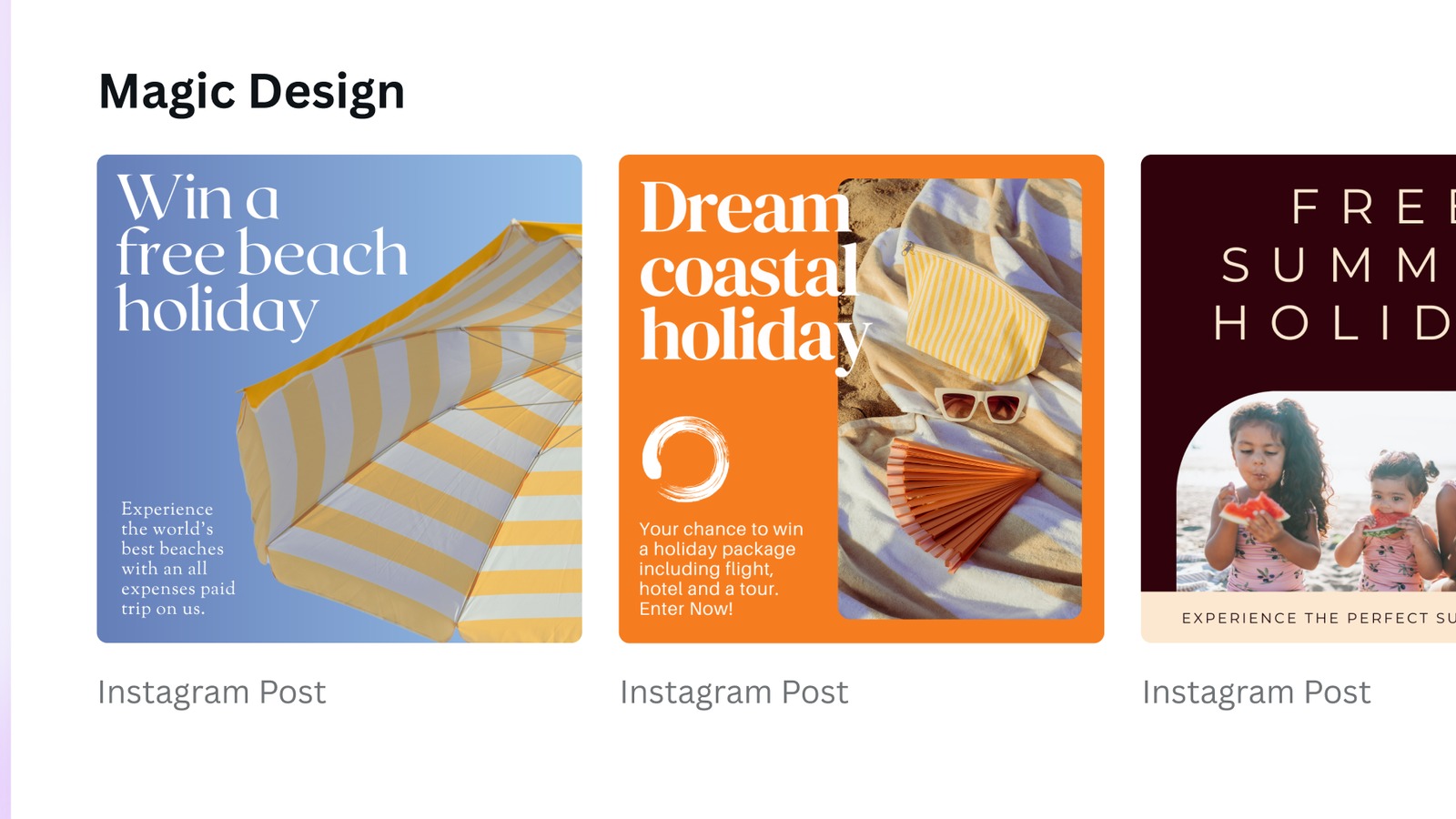
5. Design work that reaches a usable deliverable. Canva’s Magic Design page illustrates the prompt-to-design pattern and describes brand customization. For wedding businesses, the next question is whether approved wording, correct names, layout requirements and final files stay connected through revisions. A beautiful first image is only one stage of getting stationery, signage or a client presentation ready.
What a wedding team can do during a quieter technology cycle
Pick one repeated job and establish a baseline before changing software. Count the time spent gathering information, preparing the first version, checking it, correcting mistakes and handing it over. Try the tool on that whole job. A quick first draft is less impressive if the final review takes longer or the team loses track of the approved version.
Then compare overlap across subscriptions. Two tools may be useful for different teams or stages; two nearly identical drafting features may not justify two renewals. Keep control of your event records and a workable way to export them. Give people responsibility for final decisions, especially where a change affects a client promise, a supplier commitment or the event-day plan.
The opportunity may be getting more from what already exists
We cannot conclude that AI has peaked from the wedding-app market. We can ask whether another similar app will improve a particular business. Our 2027 thesis is that dependable records, connected work and easier human approval may create more practical value than another long feature list. If the pace of visible breakthroughs feels slower, a team still has room to get better at using the technology it already pays for.
References
- Starting point: Chris DiNardo, SEK Productions. Page dated June 9, 2026; embedded guide marked updated October 2026. The guide’s testing and performance claims belong to its author. Read SEK’s original AI wedding-planning guide
- Canva’s official product description and featured-image source. Product preview checked November 10, 2026. Canva Magic Design
- Existing calendar-connector capability, rather than a promised 2027 wedding-product roadmap. Claude’s official Google Calendar connector page
- Apple’s original January 9, 2007 iPhone introduction. Apple introduces iPhone
- Apple’s history dates the App Store introduction to July 10, 2008. The App Store turns 10